

How to Prepare for Exams Without Stressing Out: 10 Proven Tips for Students
Preparing for exams often feels overwhelming—but it doesn’t have to be. With the right techniques, you can study efficiently, stay calm, and walk into your exam feeling confident. In this guide, you’ll learn how to prepare for exams without stressing out using simple, science-backed methods that actually work.
1. Start Early and Break Study Material into Small Chunks
One of the biggest causes of exam stress is last-minute cramming. Starting early gives your brain more time to absorb information naturally.
-
Break topics into smaller, manageable sections
-
Study 20–30 minutes daily
-
Review frequently to strengthen memory
This prevents burnout and improves long-term retention.
2. Create a Realistic and Flexible Study Plan
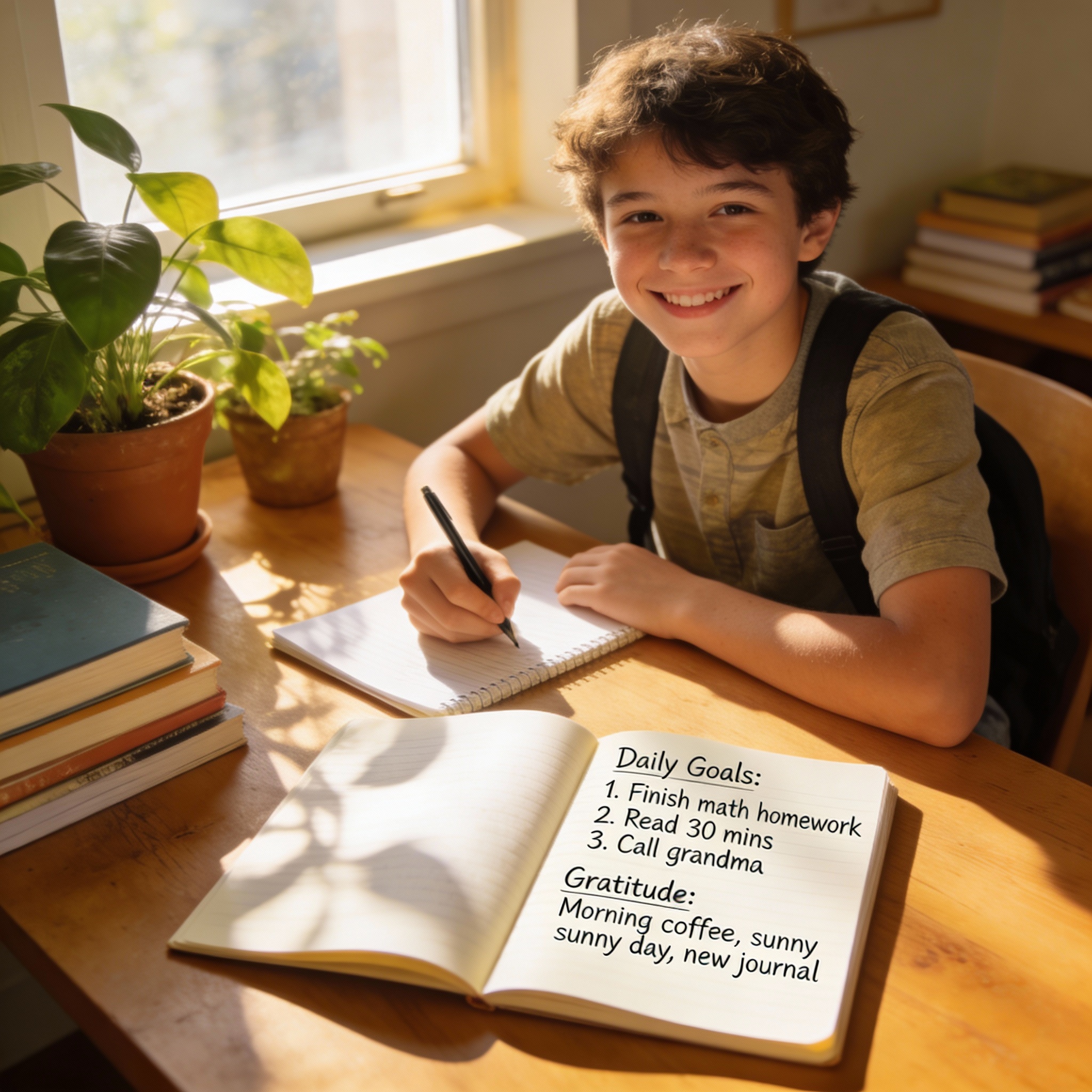
A study plan gives structure and reduces anxiety. Instead of vague goals, be specific:
-
“Study Chapter 4 in Biology”
-
“Practice 10 math problems”
-
“Revise history notes for 30 minutes”
Keep your schedule flexible—if you miss a session, adjust without guilt.
3. Use Active Learning Techniques
Active studying keeps your brain engaged and reduces the need to cram.
Try these proven techniques:
-
Flashcards
-
Mind maps
-
Teaching the topic to someone else
-
Practice problems
-
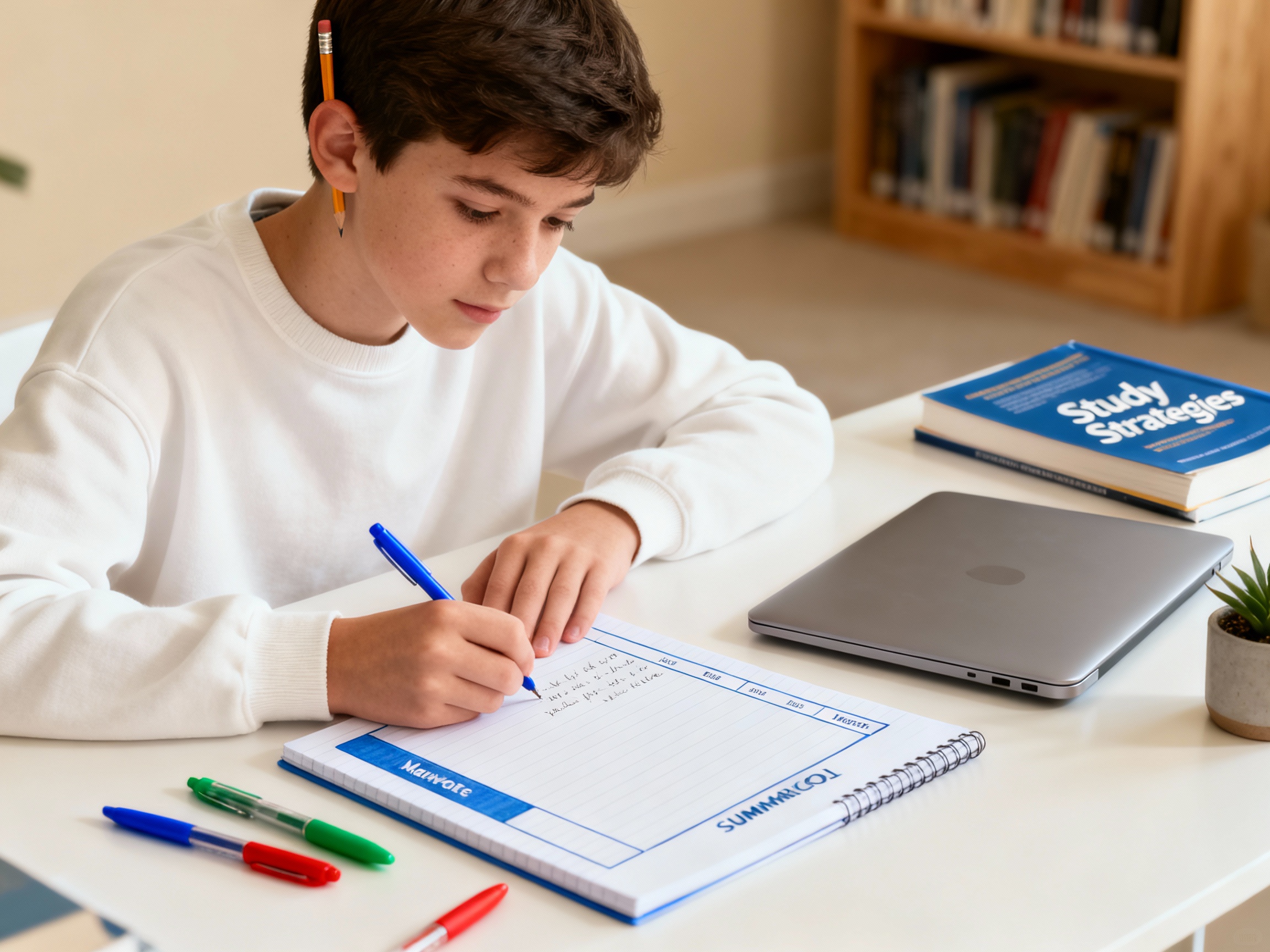
Summarizing notes in your own words
Active learning improves retention and reduces stress.
4. Take Regular Breaks (Pomodoro Technique Works!)
Studying for hours without a break leads to mental exhaustion. Instead, try:
25 minutes studying → 5 minutes break
After four cycles, take a longer break.
Your brain stays fresh, focused, and stress-free.
5. Keep Your Study Space Clean and Organized
A cluttered desk can make your mind feel overwhelmed. Keep your space:
-
Clean
-
Quiet
-
Well-lit
-
Free from distractions
A peaceful environment supports stress-free studying.
6. Prioritize Sleep, Nutrition, and Exercise
Healthy habits directly improve cognitive performance.
-
Sleep: 7–9 hours
-
Food: Nuts, fruits, oats, dark chocolate, leafy greens
-
Exercise: 10–20 minutes of walking or stretching
Your mind works best when your body is well taken care of.
7. Practice Past Papers to Reduce Exam Anxiety
Past papers help you understand:
-
Question patterns
-
Time management
-
Common topics
-
Difficulty level
The more familiar the exam feels, the more confident and relaxed you’ll be.
8. Avoid Comparing Yourself to Others
Everyone studies differently. Comparing yourself to classmates can increase anxiety. Focus on your own progress, not someone else’s timeline.
9. Use Relaxation Techniques to Stay Calm
Whenever stress starts building up, try:
-
Deep breathing
-
Meditation
-
Light stretching
-
Listening to calming music
-
Spending a few minutes outdoors
These small actions reset your mind and boost concentration.
10. Stay Positive and Celebrate Progress
Your mindset plays a huge role in how well you study. Replace negative thoughts with encouraging ones:
-
“I’m learning step by step.”
-
“I’m doing my best and improving.”
Celebrate small wins—they motivate you to keep going without stress.





1 Comments
No comments to display at this time. Be the first to add a comment!