

Mental Health Tips for Students During Exam Season: How to Stay Calm, Focused & Motivated
The time of examinations may evoke feelings of motivation, pressure, and stress. Whereas a little pressure may be useful in boosting performance, excessive stress could negatively affect the level of concentration, memory, and overall well-being. For that reason, taking good care of one’s mental health becomes crucial during exams for students at every age.
Here we look at some practical, scientifically backed mental health tips for students to maintain their balance, productivity, and calm during the exam seasons.
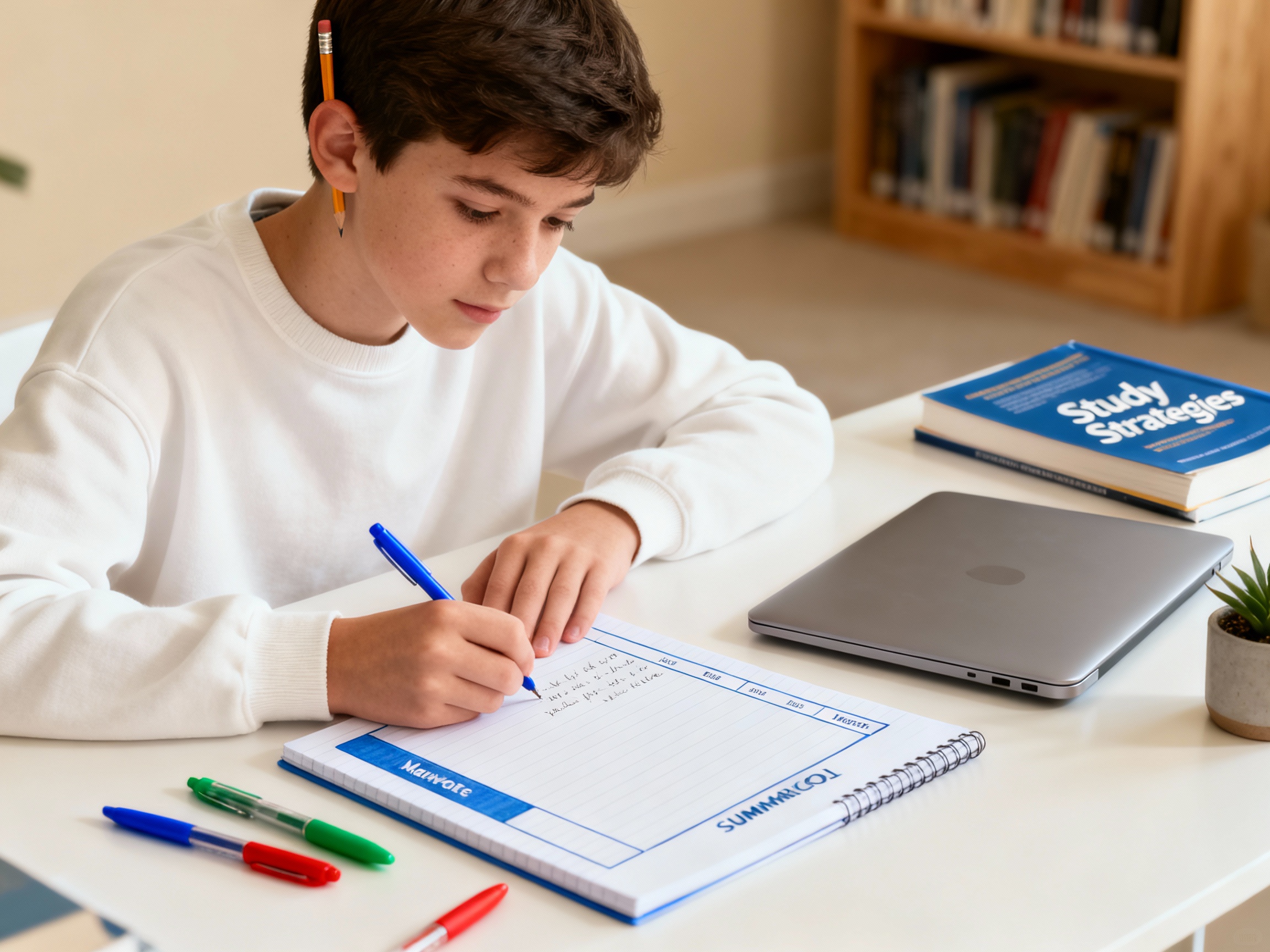
1. Plan a Realistic Study Schedule
Having a clear study plan is one of the best ways to reduce exam anxiety.
Break your syllabus down into manageable chunks and allocate study times throughout the week. Remember to schedule short breaks-your brain needs downtime to store and process information.
2. Choose Sleep Over Late-Night Cramming
Many students try to pull all-nighters before exams, but lack of sleep reduces memory retention and slows cognitive function. Make sure you are getting 7–9 hours of sleep, especially during exam season. A well-rested mind performs significantly better.
3. Practice mindfulness and deep-breathing techniques.
Mindfulness exercises reduce stress and help improve focus.
Try simple activities like:
- Deep breathing for 5 minutes
- Guided meditation
- Short mindfulness breaks between study sessions
These practices lower cortisol levels and help keep your mind clear and centered.
4. Stay Physically Active
One of the most powerful natural stress-relievers is exercise. You do not necessarily have to spend an hour in the gym; even a 20-minute walk, stretching, or yoga can raise mood, increase energy, and enable better studying.
5. Consume Healthy, Brain-Boosting Foods
Avoid sugary snacks and caffeine overload; instead, head for foods enhancing focus and memory, such as the following:
- Nuts and seeds
- Whole grains
- Berries
- Leafy greens
It's just as important to stay hydrated-drink plenty of water throughout the day.
6. Keep in Touch With Friends and Family
Isolation increases anxiety. Make time to talk to supportive friends or family members, even if only for a quick chat. It helps lighten the emotional load during exams when you share what you are going through.
7. Avoid Comparing With Others
Comparing one's progress with classmates increases stress. Try to keep in mind your own style and goals. Everyone's journey is different, and success isn't measured by someone else's timeline.
8. Take breaks and reward yourself
Taking small rewards—like a walk, a favorite snack, or a short episode of a show—keeps them motivated and far from burnout. Breaks refresh your mind and boost productivity.
9. Know When to Seek Help
Don't hesitate to reach out for help from a counselor, teacher, or mental health professional if the anxiety or stress becomes overwhelming. Reaching out is a sign of strength, not weakness.






Comments
No comments to display at this time. Be the first to add a comment!