
Is IB Right for You? Subjects, Assessments, and Global Advantages
Understanding the IB Board
Choosing the right education board is one of the most crucial decisions for students and their parents. Among the various curricula available, the International Baccalaureate (IB) stands out for its global outlook, rigorous academic structure, and focus on holistic development. However, the big question remains: Is IB right for you or your child? In this article, we break down the core components of the IB program, including its subjects, assessment patterns, and global benefits, to help you make an informed decision. The IB curriculum goes beyond academics — it prepares students for life. With its global recognition, balanced subject choices, and emphasis on personal development, the IB board offers a rich and rewarding educational experience. But like any educational path, it’s important to evaluate your personal goals, strengths, and future plans to decide if the IB journey is right for you.
What Is the International Baccalaureate (IB)?
The IB is an international education foundation that offers a continuum of high-quality educational programs for students aged 3 to 19. It includes four main programs: the Primary Years Programme (PYP) for ages 3–12, the Middle Years Programme (MYP) for ages 11–16, the Diploma Programme (DP) for ages 16–19, and the Career-related Programme (CP). What makes IB unique is its inquiry-based approach to learning, emphasis on critical thinking, and a global mindset that encourages students to become compassionate, lifelong learners.
IB Subjects: A Broad, Balanced Curriculum
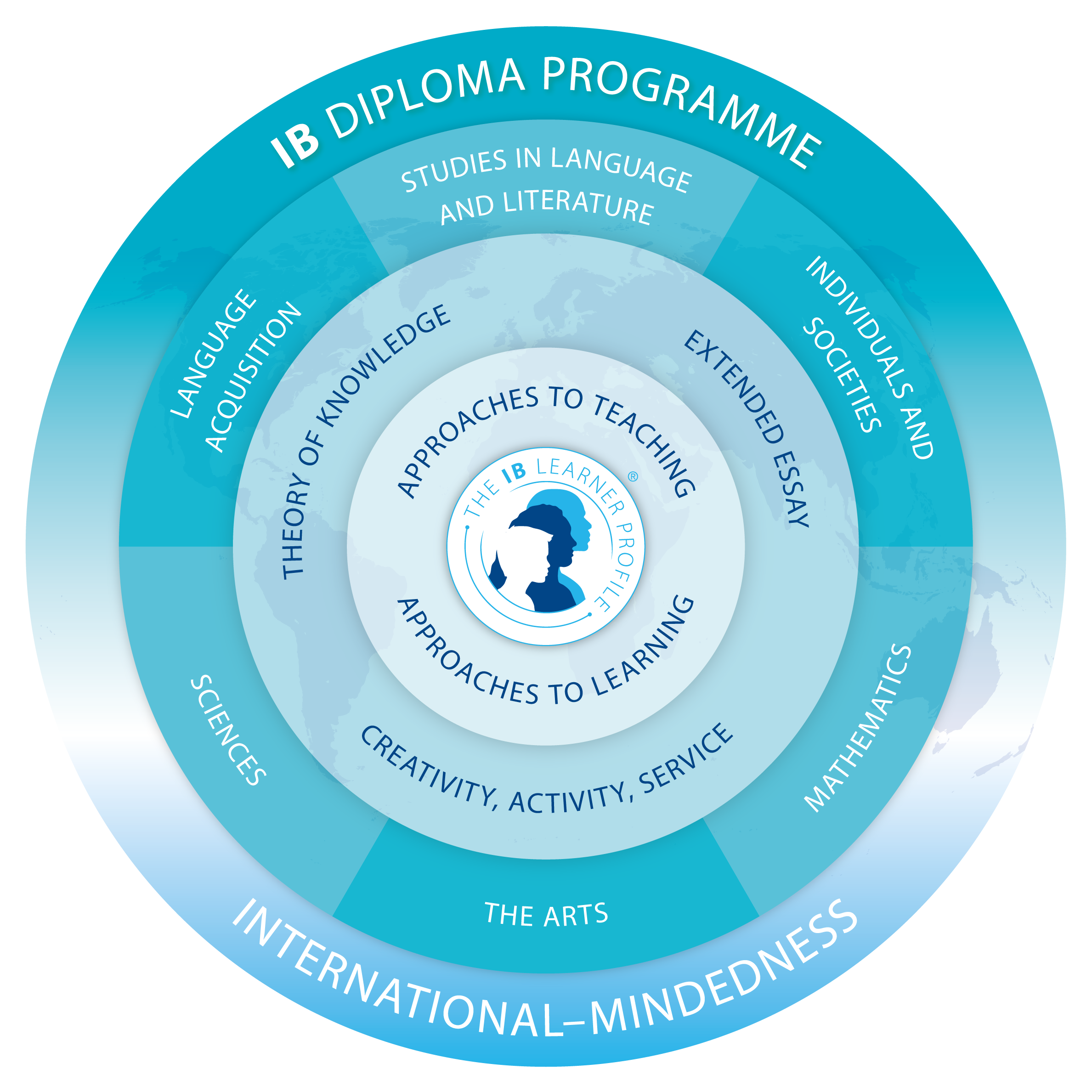
In the IB Diploma Programme (DP) — the most recognized offering — students study subjects across six groups:
-
Language and Literature
-
Language Acquisition (Second Language)
-
Individuals and Societies (e.g., History, Economics)
-
Sciences (e.g., Biology, Physics)
-
Mathematics
-
The Arts (e.g., Visual Arts, Music)
Students also complete three core components: Theory of Knowledge (TOK), the Extended Essay (EE), and Creativity, Activity, Service (CAS), all of which aim to deepen their understanding beyond textbooks and nurture real-world skills.
Assessment in IB: Not Just Exams
Unlike traditional boards that rely heavily on final exams, IB uses a mix of internal and external assessments. This includes essays, presentations, oral exams, lab work, research projects, and written exams. The goal is to evaluate students holistically — not just on memorization but on analysis, application, and reflection. The IB grading system runs on a scale of 1 to 7, with up to 3 additional points awarded for TOK and EE performance, making 45 the maximum achievable score.
Global Advantages of the IB Programme
One of the biggest advantages of IB is its global recognition. Prestigious universities across the world, including those in the US, UK, Canada, Australia, and Singapore, hold the IB Diploma in high regard. IB students are often seen as more prepared for university-level work because of their research skills, time management, and independent learning habits. Additionally, the international and intercultural perspective offered by IB helps students thrive in diverse environments, both academically and professional
Is IB Right for You?
If you or your child thrives in an environment that values conceptual learning, independent research, international-mindedness, and critical thinking, the IB programme may be an ideal fit. However, it’s important to note that IB is academically demanding and may not suit everyone’s learning style or goals. Students who are curious, motivated, and open to challenges generally succeed in the IB system.
Some IB Schools in India
-
Mumbai: Dhirubhai Ambani International School
-
New Delhi: The British School
-
Bengaluru: The International School Bangalore (TISB)
-
Hyderabad: Oakridge International School
-
Pune: Mahindra International School
-
Gurgaon: Pathways World School
-
Kolkata: Calcutta International School
-
Chennai: American International School Chennai
-
Ahmedabad: Ahmedabad International School
-
Noida: Genesis Global School
-
Jaipur: Neerja Modi School
-
Kodaikanal: Kodaikanal International School
-
Chandigarh/Mohali: Oakridge International School, Mohali
-
Lucknow: Modern School, Lucknow
-
Mussoorie: Woodstock School
-
Jalandhar: Cambridge International Foundation School





1 Comments
No comments to display at this time. Be the first to add a comment!