
Global Edge or Traditional Excellence? CIS vs CBSE Explained
Decoding CIS vs CBSE
When it comes to choosing the right educational board for children, parents are often caught in the debate between Council of International Schools (CIS) and the Central Board of Secondary Education (CBSE). Both boards offer unique advantages, but they differ widely in terms of teaching methodologies, assessment patterns, global recognition, and long-term career opportunities. To make the right decision, it’s important to understand what each curriculum stands for and how it influences a child’s overall growth.Both CIS and CBSE are robust in their own ways, but they cater to different educational needs. CIS is about global learning and versatility, while CBSE is about structured knowledge and academic competitiveness. Ultimately, the right decision is not about which board is better, but about which board aligns best with the child’s personality, ambitions, and future goals.
Understanding CIS (Council of International Schools)
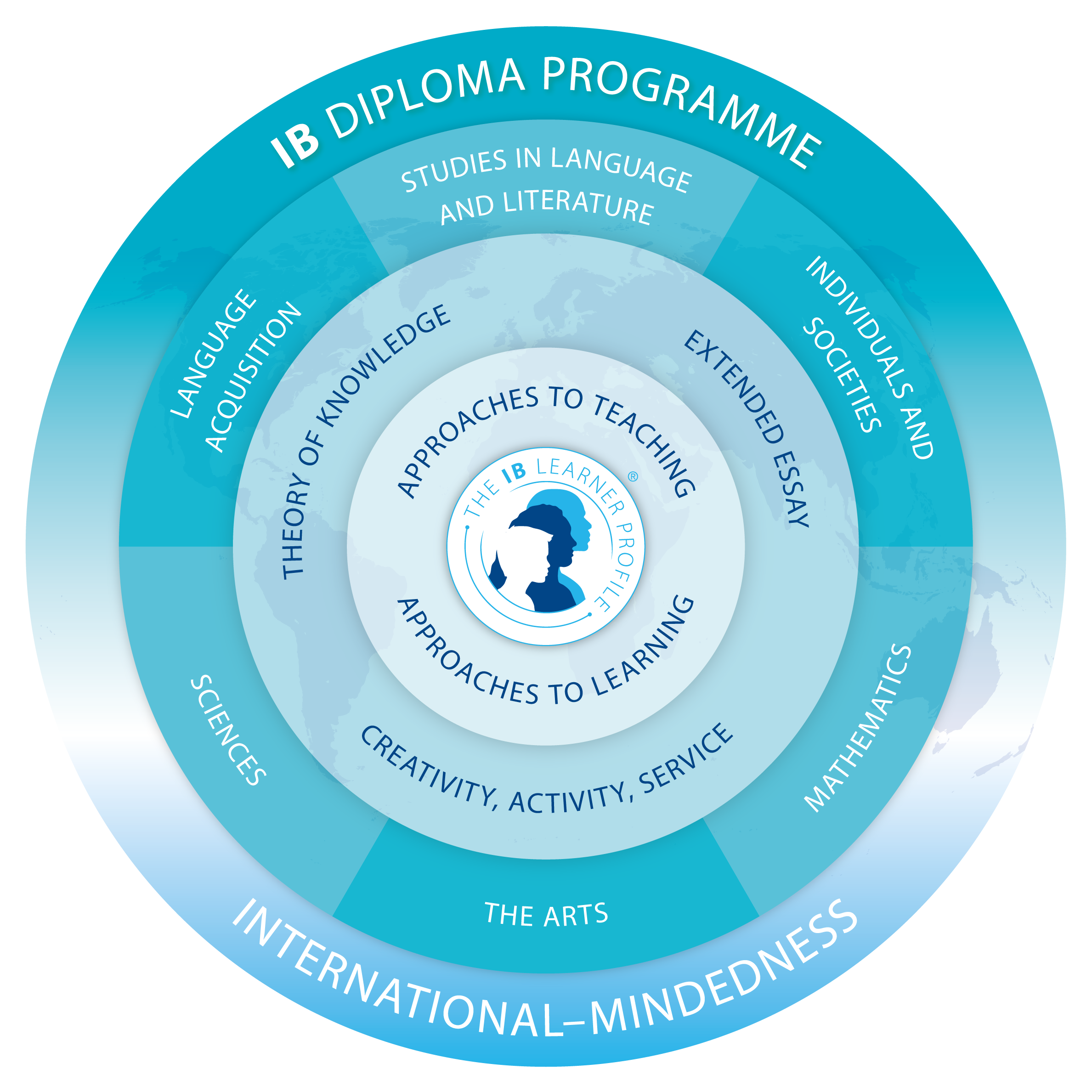
CIS is not a single curriculum but a global membership community of schools and higher education institutions that follow internationally recognized standards. Schools accredited by CIS often adopt international curricula such as the IB (International Baccalaureate) or Cambridge Assessment International Education (CAIE). These schools emphasize critical thinking, creativity, cultural understanding, and global perspectives. CIS schools focus less on rote learning and more on application-based knowledge, encouraging students to become independent learners who are prepared for global challenges.
Understanding CBSE (Central Board of Secondary Education)
CBSE is India’s national education board under the Ministry of Education. It is one of the most widely recognized boards in India, with a strong presence across thousands of schools. The CBSE curriculum is designed to provide a balanced foundation of theoretical knowledge and practical application, particularly in Mathematics and Science, which is why it is often considered beneficial for students aiming for competitive exams like JEE, NEET, or UPSC. While CBSE is more structured and exam-focused, it ensures consistency and affordability for students across different regions of India.
Key Differences Between CIS and CBSE
1. Curriculum Approach
-
CIS – Emphasizes inquiry-based and project-driven learning with a global perspective.
-
CBSE – Focuses on structured subject knowledge with a strong emphasis on national-level competitive exams.
2. Global Recognition
-
CIS – Highly recognized internationally, making it ideal for students planning to study abroad.
-
CBSE – Widely accepted across India and recognized in many countries, but with less global exposure compared to CIS.
3. Teaching Style
-
CIS – Encourages critical thinking, discussions, and real-world application.
-
CBSE – Leans more toward standardized assessments and uniform learning outcomes.
4. Assessment Methods
-
CIS – Continuous evaluation, research projects, and skills-based assessment.
-
CBSE – Predominantly exam-driven with an emphasis on academic performance.
5. Cost Factor
-
CIS – Usually higher tuition fees due to international faculty, resources, and global programs.
-
CBSE – More affordable and accessible for the majority of Indian families.
Which One Should Parents Choose?
The choice between CIS and CBSE depends on the child’s aspirations, future career goals, and family priorities. If parents envision their child pursuing higher education abroad and want them to have holistic, international exposure, CIS is an excellent choice. On the other hand, if parents value strong academic fundamentals, affordability, and preparation for Indian competitive exams, CBSE remains a reliable option.






Comments
No comments to display at this time. Be the first to add a comment!